The Textures Used In Professional Architectural Model Making
Concrete blocks and wooden beams usually fill our thoughts when we think of buildings. However, small versions of these structures need a different touch to look real. Artists use special tricks to mimic bricks or glass on a tiny scale.
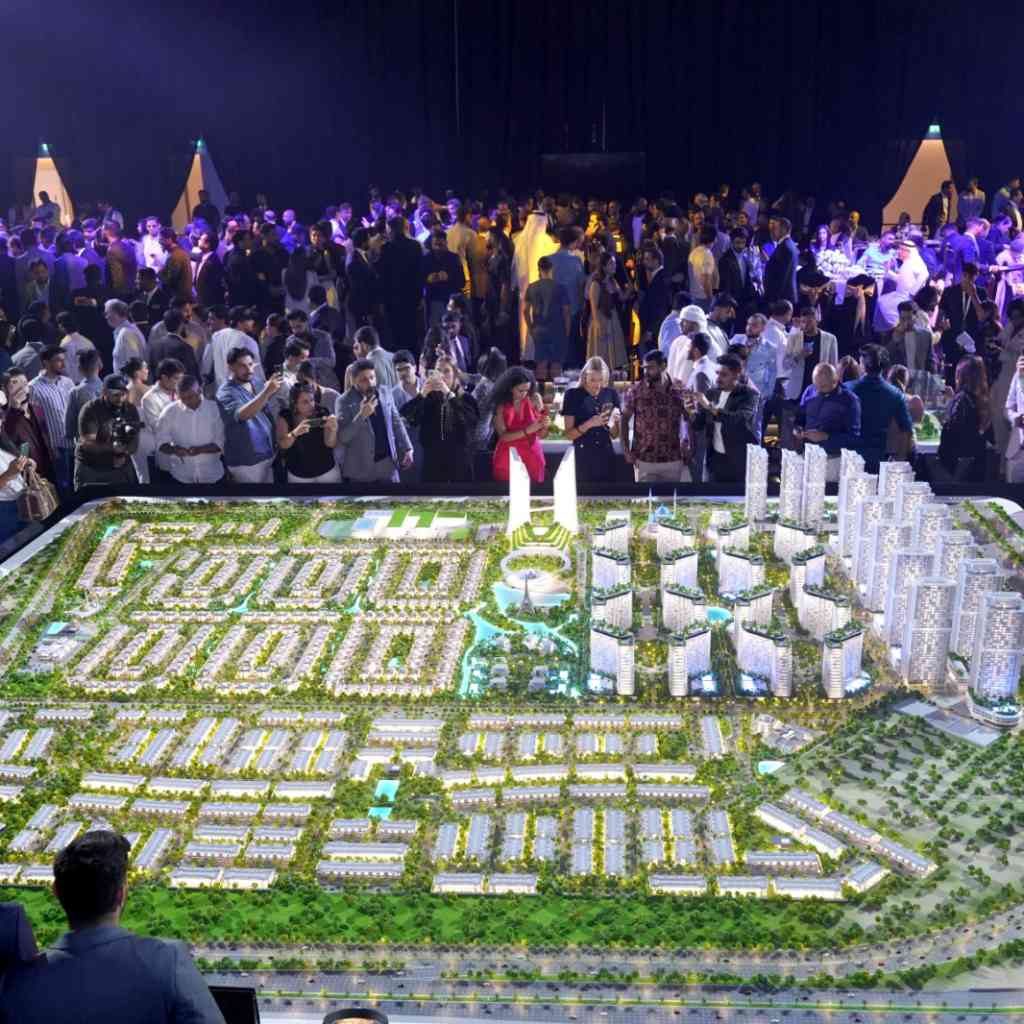
These small details help people see how a project will actually look in real life. Creating these realistic surfaces is a vital skill for professional model makers in Dubai.
Building with wood:
Basswood is a favorite choice because it has a very fine grain. It does not split easily when you cut it into tiny strips. You can stain it to look like dark oak or light pine. This material is perfect for showing window frames or wooden decks. It adds a natural warmth that plastic simply cannot provide to a project.
Using clear acrylic:
Glass is hard to show on a small scale without making it look messy. Clear plastic sheets work best to represent windows and skylights. You can sand the surface to make it look like frosted glass for privacy areas. This helps light move through the model just like it would in a real house. It makes the tiny building look bright and open.
Adding metal mesh:
Perforated metal or fine wire mesh can show balconies and vents. These materials catch the light and add a modern touch to the design. You can spray paint them to look like steel or copper. This texture is great for industrial parts of a building. It provides a sharp contrast against softer materials like wood or foam.
Working with foam board:
High density foam is the best tool for creating thick walls or stone bases. You can carve lines into the surface to look like individual bricks or large stone tiles. It is very light and easy to shape with a sharp blade. Once you add a bit of grey paint, it looks exactly like solid concrete. It provides a strong base for everything else.
Creating green spaces:
Modeling grass and trees needs a mix of textures to look natural. Small grains of colored foam can act as bushes or lawn. Real twigs or dried plants often serve as the trunks for tiny trees. This adds a organic feel to the sharp lines of the building. It helps people see how the structure fits into a park or garden setting.